
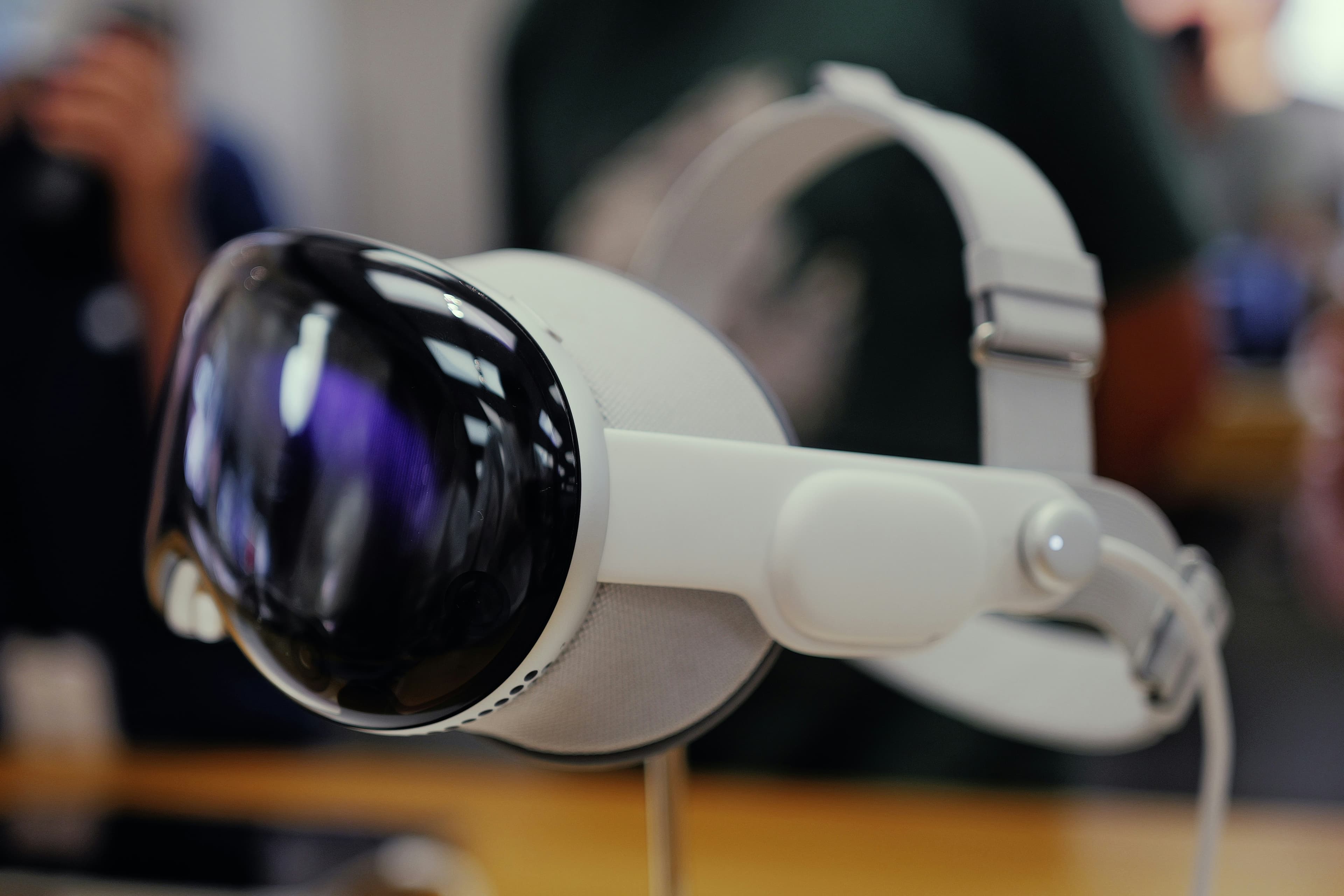
Not long ago, "futuristic gadgets" meant something you'd only see in a movie — a device that talked back, folded in half, or drove itself. In 2026, that gap has mostly closed. Walk the floor of any major tech show this year and you'll find fewer concept sketches and a lot more products with price tags, release dates, and shipping windows.
Why "Futuristic Gadgets" Look Different in 2026
For years, "futuristic" was a marketing word slapped on anything with a touchscreen. That's changed. Three shifts are driving what actually counts as futuristic gadgets today:
AI moved from the cloud into the object itself. Instead of a chatbot on your phone, AI now lives inside toys, lawn mowers, and home robots, making decisions locally and in real time.
Battery life became the real innovation. Manufacturers are racing to build devices that last weeks or months on a single charge, not hours — because "it dies too fast" has been consumer tech's biggest complaint for a decade.
Form factor is finally catching up to the sci-fi imagination. Rollable screens, foldable displays, and wearables that disappear into daily life are no longer prototypes behind glass.
15 Futuristic Gadgets You Can See (or Buy) Right Now
1. Projector Phones
Rather than staring at a five-inch screen, a new class of phone throws a full-sized display onto any wall. Some models on the market now run for months on standby thanks to ultra-efficient batteries, solving the "my phone always dies" problem while adding a genuinely new way to watch or present content.
2. AI Companion Toys
Plush toys and desk companions now hold real conversations, adjusting their tone and vocabulary based on the age of the person talking to them. It's one of the clearest signs that conversational AI has moved from apps into physical objects — though it's also raising fresh questions about data privacy for younger users.
3. Autonomous Lawn Mowers (No Boundary Wires)
Robotic mowers used to require a buried perimeter wire. The newest generation uses cameras and LiDAR instead, letting the machine map a yard on its own and handle slopes and tight corners without any setup wire at all.
4. Rollable Laptop and Monitor Displays
Rollable screens have gone from a CES novelty to something you might actually use for gaming or work — a 16-inch panel that physically extends into a 24-inch ultrawide, giving you two form factors in one device.
5. Micro RGB and Massive Home Displays
Backlighting technology that was a $30,000 flagship a year ago is now shipping across a full range of sizes, putting studio-grade picture quality within reach of ordinary buyers rather than just early adopters.
6. Humanoid Home Robots
Full-size humanoid robots with dozens of joint motors are now priced closer to a used car than a research grant. They're still early, but they're capable of complex movement and conversational interaction — a real step toward robots that live in your house rather than a lab.
7. AI-Personality Desktop Companions
Some new AI devices let you pick a "personality" for your assistant — efficient, playful, or dramatic — and plug directly into your computer over USB-C, blurring the line between an app and a physical companion.
8. Off-Grid Solar Structures
Futuristic gadgets aren't all pocket-sized. Backyard structures now come with built-in solar panels capable of generating enough daily energy to power appliances, tools, or a home office completely off-grid.
9. Smart, App-Connected Lighting
Everyday objects like lamps now include app-based controls, dozens of preset colors, and smart-home hub compatibility, turning simple lighting into part of a connected ecosystem.
10. AI-Powered Chips for Robotics and Smart Devices
Behind the scenes, new processors purpose-built for AI workloads are quietly powering the next wave of home robots, smart hubs, and edge devices — the invisible infrastructure making all of the above possible.
11. Ultra-Efficient Laptop Processors
New chip architectures are pushing laptops toward all-day battery life and desktop-level gaming performance without a dedicated graphics card — a meaningful jump for anyone who works or games on the go.
12. Smart Rings and Biometric Wearables
Health tracking has moved off the wrist and onto the finger, with rings now monitoring heart rhythm, oxygen levels, and sleep quality without the bulk of a traditional smartwatch.
13. AR and AI Smart Glasses
Smart glasses have quietly matured from a niche gadget into a genuine alternative to pulling out your phone, handling navigation, translation, and notifications directly in your field of view.
14. Modular, Snap-Together Smart Bricks
Building-block-style smart tech kits are letting people physically assemble their own gadgets, combining the tactile appeal of classic building toys with programmable electronics.
15. Concept Electric Vehicles with Chassis-Level AI
Automakers are previewing SUVs and hypercars built around AI-driven "digital chassis" platforms that blend autonomous driving with in-car entertainment — a preview of what's coming to driveways within a few years.
Sci-Fi Gadgets vs. Real Futuristic Gadgets: How to Tell the Difference
Not everything billed as "futuristic" is ready for daily life. Before buying into the hype, ask:
Is it shipping, or just a concept? Concept vehicles and prototype robots often won't reach consumers for years.
Does it solve an actual problem, or just look impressive on stage? A projector phone that fixes battery anxiety is more useful than a gadget that only photographs well.
Can it work with what you already own? A device that isn't compatible with your smart home or phone ecosystem creates more friction than it removes.
Buying Guide: What to Check Before You Buy a Futuristic Gadget
Where This Is Heading Next
The direction is clear: futuristic gadgets are shifting from novelty to necessity. Expect the next wave to focus on devices talking to each other automatically for a sleep tracker adjusting your thermostat, or a home robot syncing with your calendar. The gadgets that succeed will be the ones that quietly remove friction from daily life, not the ones that just look good in a product photo.
Frequently Asked Questions
Yes. Many of the devices covered here, including AI-powered speakers, smart rings, rollable displays, and autonomous robot mowers, are already for sale rather than still in concept form.
Devices that solve a daily frustration tend to be the most practical — projector phones with long battery life and boundary-free robot mowers are strong examples of futuristic gadgets built around real pain points rather than novelty.
It varies widely. Some, like humanoid robots or Micro RGB TVs, remain premium purchases, while smart plugs, AI speakers, and app-connected lighting are budget-friendly entry points into futuristic tech.