
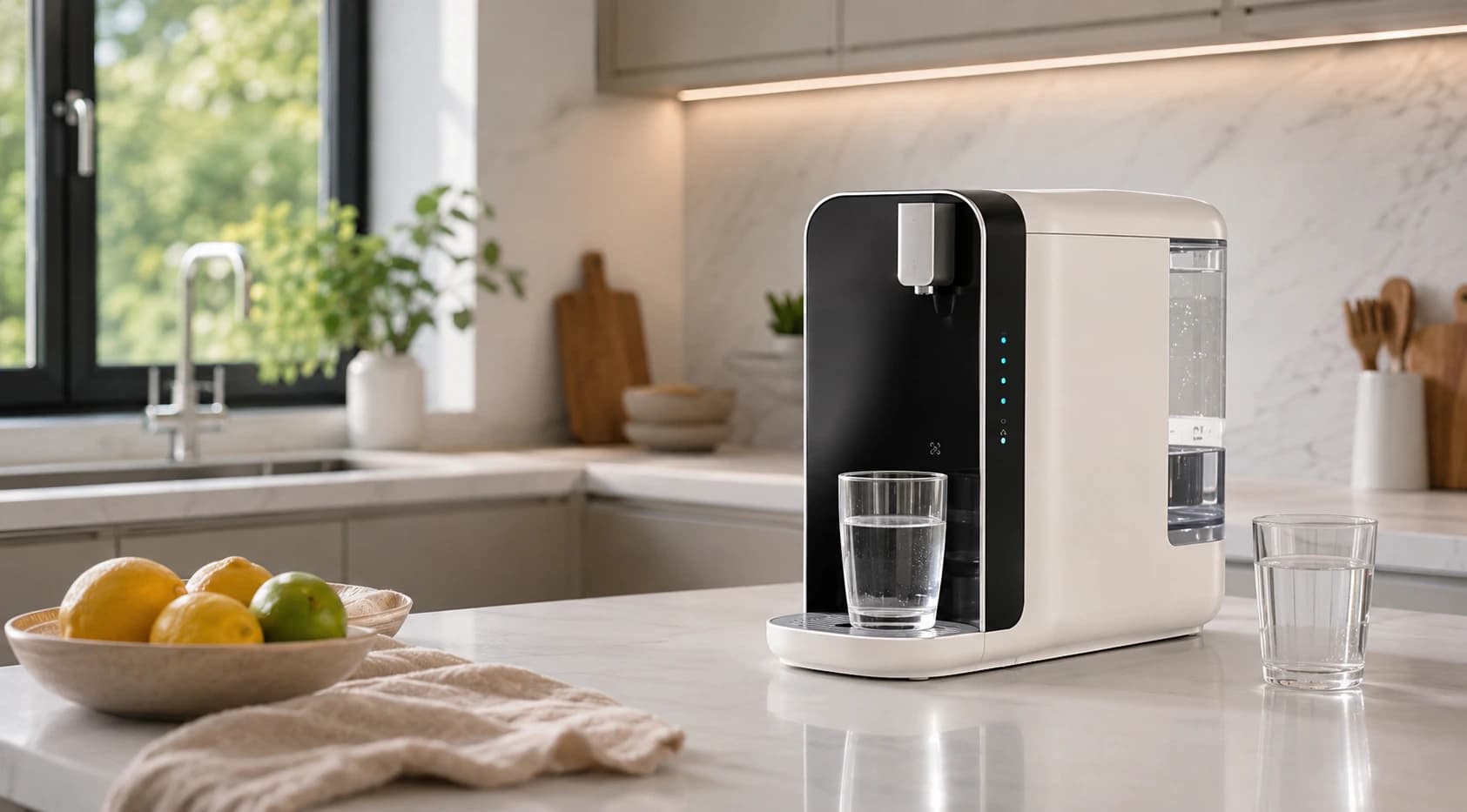
Clean drinking water should feel simple, yet many households face water quality concerns every day. Unpleasant tastes, strange odors, and unwanted impurities can reduce your confidence in household water. Although bottled water offers convenience, regular purchases can quickly become expensive and wasteful. Fortunately, a countertop reverse osmosis water filter can provide cleaner drinking water at home. However, choosing the right system requires careful consideration of several important factors. Different systems provide varying filtration stages, water capacities, designs, and maintenance requirements. Therefore, understanding your household needs helps you choose a smarter and more suitable investment.
Why Many Households Struggle With Water Quality
Tap water can contain various substances that affect its taste and overall quality. Moreover, treated municipal water can develop unpleasant flavors during distribution. Old plumbing can also introduce unwanted particles into household water. Additionally, hard water can leave mineral deposits around sinks, kettles, and appliances. Consequently, these water quality issues often encourage people to purchase bottled water. However, bottled water creates recurring expenses for households. It also generates considerable plastic waste over time. Fortunately, a countertop filtration system offers a more convenient alternative. With this system, households can filter their water directly whenever they need it.
What Causes Unpleasant-Tasting Drinking Water?
Several factors can influence the taste and overall quality of your drinking water. For example, chlorine often creates a noticeable taste and unpleasant smell in treated water. Meanwhile, minerals can create unusual flavors or leave visible deposits around faucets and fixtures. Additionally, aging pipes may affect water quality before the water reaches your faucet. Some households also worry about contaminants that basic filters cannot adequately reduce. Therefore, choosing an advanced filtration method becomes increasingly important for cleaner, better-tasting water. Reverse osmosis provides a practical solution for households seeking deeper and more thorough filtration. The process pushes water through specialized membranes and multiple filtration stages. These stages help reduce many dissolved substances and unwanted impurities from drinking water. As a result, filtered water can taste cleaner and feel more refreshing.
What Should You Look For in a Countertop RO System?
Several factors can influence the taste and overall quality of your drinking water. For example, chlorine often creates a noticeable taste and unpleasant smell in treated water. Meanwhile, minerals can create unusual flavors or leave visible deposits around faucets and fixtures. Additionally, aging pipes may affect water quality before the water reaches your faucet. Some households also worry about contaminants that basic filters cannot adequately reduce. Therefore, choosing an advanced filtration method becomes increasingly important for cleaner, better-tasting water. Reverse osmosis provides a practical solution for households seeking deeper and more thorough filtration. The process pushes water through specialized membranes and multiple filtration stages. These stages help reduce many dissolved substances and unwanted impurities from drinking water. As a result, filtered water can taste cleaner and feel more refreshing.
Practical Tips for Choosing the Right System
Before purchasing a filtration system, identify your household’s primary water concerns. First, determine whether taste, odor, minerals, or general purification matters most. Next, estimate how much filtered water your household consumes each day. This estimate helps you select a system with the appropriate capacity. Additionally, compare filtration technologies across different models before making your final decision. For deeper filtration, reverse osmosis generally outperforms basic carbon filtration systems. Meanwhile, review replacement schedules and calculate the system’s ongoing operating costs. A cheaper system may become expensive when replacement filters cost significantly more. Furthermore, consider how much countertop space you have available. Measure your available area before purchasing a larger filtration unit. Finally, prioritize everyday convenience when comparing different filtration systems. Choose a system that makes clean, filtered water easier to access daily.
Why a Countertop Reverse Osmosis System Makes Sense
A countertop reverse osmosis water filter simplifies household water filtration. Unlike permanent systems, countertop models usually require less complicated installation. You can place the unit beside your kitchen sink or another convenient location. As a result, filtered water remains easily accessible throughout your daily routine. Additionally, a countertop system can reduce your household’s dependence on bottled water. Instead of repeatedly buying plastic bottles, you can filter water conveniently at home. This approach can also reduce plastic waste while providing purified water whenever needed. Furthermore, reverse osmosis filtration can improve water taste and enhance your overall drinking experience. Better-tasting water may encourage household members to drink water more consistently. Therefore, a countertop system can support convenient access to better-tasting drinking water. Finally, portability offers another useful advantage for households seeking flexible filtration. Some countertop systems allow you to move the unit between locations when necessary. Consequently, you can enjoy convenient water filtration without committing to permanent installation.
When Should You Consider an Upgrade?
You may want to upgrade if your current filter cannot solve your water concerns. Additionally, frequent bottled-water purchases can indicate an opportunity for a better solution. Consider upgrading when your existing system requires complicated installation or frequent maintenance. A simpler system can save time while reducing everyday frustration. Meanwhile, the rura approach to countertop filtration suits households seeking convenient water purification. Instead of adding unnecessary complexity, prioritize practical performance and effortless daily usability. Furthermore, a quality ro system countertop offers greater flexibility than traditional under-sink installations. You can enjoy advanced filtration without making extensive plumbing changes.
The Rorra: A Convenient Premium Option
For households seeking refined countertop filtration, the rorra offers a thoughtful and convenient solution. Moreover, its countertop-focused design helps households access cleaner-tasting water with less effort. Instead of making filtration another complicated household task, the rorra simplifies access to purified water. Additionally, a premium system should combine effective filtration with convenient everyday operation. Therefore, consider the system’s design, usability, maintenance needs, and filtration performance before making your choice. Ultimately, you should not simply choose the most expensive filtration system available. Instead, select a solution that delivers meaningful value and meets your household’s everyday water needs.ny buyers, the rorra can represent a convenient step toward improving their daily water routine.
Benefits of Choosing a Premium Filtration System
A quality countertop system offers several practical benefits for everyday household water needs. First, it reduces your dependence on bottled drinking water and supports a more convenient routine. Additionally, it can improve your drinking water’s taste and freshness, making daily hydration more enjoyable. Moreover, countertop filtration provides convenient access without requiring major installation work or complicated plumbing changes. At the same time, a well-designed system simplifies routine maintenance and keeps ownership manageable. Clear filter replacement requirements also help you maintain consistent filtration performance over time. Finally, a premium system can increase your confidence in your household’s regular water filtration routine. However, always evaluate your specific water conditions before choosing any filtration system. Therefore, consider your local water quality carefully when making your final filtration decision.
Conclusion
Choosing a filtration system does not need to feel complicated or overwhelming. First, identify your water concerns, household needs, and available kitchen space. Next, compare filtration technology, capacity, maintenance needs, and long-term operating costs. These factors help you choose based on performance instead of appearance or price. Additionally, a countertop reverse osmosis water filter offers convenience alongside advanced filtration. Meanwhile, a ro system countertop design can simplify installation and provide easy daily access. For those seeking a premium option, the rorra offers another solution worth considering. Ultimately, choose a system that makes cleaner water easier to enjoy every day. Therefore, base your decision on performance, convenience, and long-term value. With the right filtration system, better-tasting water can become part of your daily routine.
Tags:reverse osmosis countertop water filter countertop