
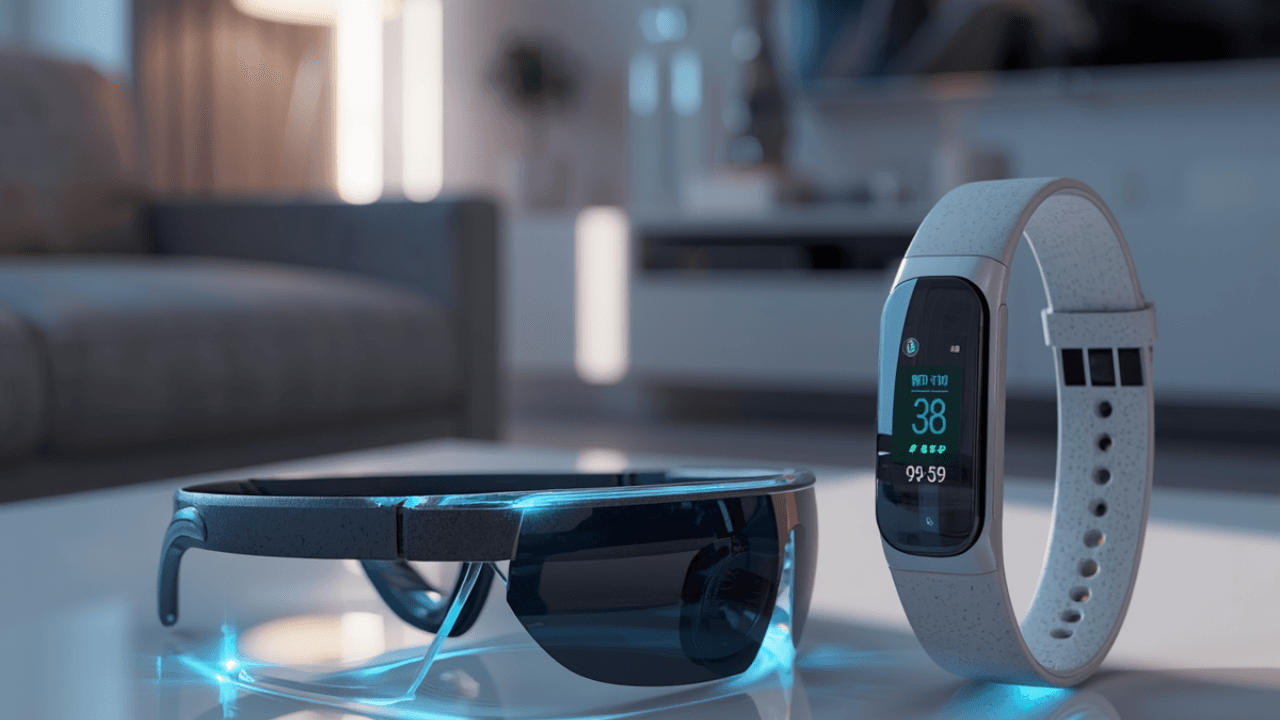
Wearable technology has become one of the fastest-growing sectors in the tech industry. From smartwatches and fitness bands to smart glasses and AI-powered health devices wearable gadgets are changing the way people live work communicate and monitor their health.
Modern wearable technology is no longer limited to counting steps or showing notifications. Today’s devices use artificial intelligence advanced sensors biometric tracking and real-time connectivity to deliver highly personalized experiences. These gadgets help users improve fitness monitor medical conditions increase productivity and even enhance entertainment experiences.
As technology continues evolving wearable devices are becoming smarter lighter faster and more integrated into daily life. In this article we will explore the latest wearable technology trends shaping the future and why they matter.
The Growing Popularity of Wearable Technology
The demand for wearable devices has increased significantly in recent years. Consumers now prefer smart gadgets that provide convenience health monitoring and seamless connectivity.
Several factors are driving wearable technology growth:
- Increased health awareness
- Rising fitness trends
- Smart home integration
- AI-powered personalization
- Remote healthcare solutions
- Improved mobile connectivity
Wearable devices are now used in healthcare, sports, education, business, gaming and entertainment industries.
Smartwatches Are Becoming More Advanced
Smartwatches remain one of the most popular wearable technologies worldwide. Modern smartwatches offer far more than basic notifications and fitness tracking.
Advanced Health Monitoring Features
Modern smartwatches can monitor:
- Heart rate
- Blood oxygen levels
- Sleep quality
- Stress levels
- ECG readings
- Body temperature
These features help users track their overall wellness and detect potential health problems early.
AI Integration in Smartwatches
Artificial intelligence is improving smartwatch performance through personalized recommendations smart reminders and predictive health insights.
Better Battery Life
Battery technology improvements are allowing smartwatches to last several days on a single charge.
Fitness Trackers Continue to Evolve
Fitness trackers are becoming more intelligent and accurate. These devices are designed for people who want detailed insights into their physical activity and health.
Popular Fitness Tracking Features
Activity Monitoring
Track steps, calories, distance and active minutes.
Workout Analysis
Advanced trackers monitor running, cycling, swimming and gym workouts.
Sleep Tracking
Analyze sleep patterns for better recovery and wellness.
Hydration and Recovery Monitoring
Some trackers now monitor hydration levels and muscle recovery.
Why Fitness Wearables Matter
Fitness wearables motivate users to maintain healthy lifestyles and achieve fitness goals more effectively.
Smart Rings Are Gaining Attention
Smart rings are becoming a major wearable technology trend because of their compact size and powerful features.
These small devices can track:
- Sleep quality
- Heart rate
- Body temperature
- Stress levels
- Physical activity
Benefits of Smart Rings
Comfortable Design
Smart rings are lightweight and less noticeable than smartwatches.
Long Battery Life
Many smart rings last several days without charging.
Continuous Health Tracking
Users can monitor health data throughout the day and night.
Smart rings are expected to become more popular as technology improves.
AI-Powered Health Wearables
Artificial intelligence is revolutionizing wearable healthcare technology.
How AI Improves Wearable Devices
AI systems analyze user data to provide:
- Personalized fitness advice
- Health predictions
- Early disease detection
- Stress management recommendations
- Smart lifestyle insights
Remote Patient Monitoring
Doctors can use wearable devices to monitor patients remotely reducing hospital visits and improving healthcare accessibility.
Future Healthcare Innovations
Future wearables may detect diseases such as diabetes heart conditions and sleep disorders at early stages.
Smart Glasses and Augmented Reality
Smart glasses are becoming more advanced through augmented reality technology.
What Smart Glasses Can Do
- Display navigation directions
- Show real-time notifications
- Translate languages instantly
- Support virtual meetings
- Enhance gaming experiences
AR in Everyday Life
Augmented reality wearables are expected to transform education, healthcare, shopping and workplace productivity.
The Future of Smart Glasses
Technology companies are developing lighter and more stylish smart glasses for everyday use.
Wearable Technology for Mental Health
Mental wellness has become an important focus in wearable technology.
Stress and Mood Monitoring
Modern wearables can detect stress levels through:
- Heart rate variability
- Sleep analysis
- Breathing patterns
Meditation and Relaxation Features
Many devices provide guided breathing exercises, mindfulness reminders and relaxation sessions.
Importance of Mental Health Wearables
These technologies help users maintain emotional balance and reduce anxiety.
Wearable ECG and Medical Devices
Medical-grade wearable devices are becoming increasingly common.
Wearable ECG Monitors
These devices track heart rhythms and help detect irregular heartbeat patterns.
Blood Pressure Monitoring
Some smart wearables now measure blood pressure without traditional equipment.
Diabetes Monitoring
Wearable glucose monitoring systems are improving diabetes management.
Why Medical Wearables Matter
They provide continuous monitoring and allow faster medical intervention during emergencies.
Smart Clothing and E-Textiles
Smart clothing is one of the newest wearable technology innovations.
Features of Smart Clothing
- Built-in biometric sensors
- Temperature control
- Fitness tracking
- Posture monitoring
- Muscle activity analysis
Uses of Smart Clothing
Smart textiles are used in:
- Sports performance
- Healthcare
- Military applications
- Workplace safety
This technology is expected to become more affordable in the future.
Wearable Payment Technology
Contactless payment wearables are becoming more common.
Examples of Payment Wearables
- Smartwatches
- Smart rings
- NFC wristbands
Benefits
Faster Transactions
Users can make payments instantly without cash or cards.
Improved Convenience
Wearable payments simplify shopping experiences.
Better Security
Biometric verification improves payment safety.
Wearables for Children and Elderly Safety
Wearable devices are increasingly used to improve family safety.
Kids’ Wearable Gadgets
Parents use smart wearables to:
- Track location
- Monitor activity
- Enable emergency communication
Elderly Monitoring Devices
Senior citizens benefit from wearables that monitor:
- Falls
- Heart activity
- Medication reminders
- Emergency alerts
These devices improve independence and safety.
Wearable Technology in Sports
Professional athletes and fitness enthusiasts rely heavily on wearable devices.
Sports Wearable Features
- Real-time performance tracking
- Injury prevention analysis
- Recovery monitoring
- Heart rate optimization
Benefits for Athletes
Wearable technology helps athletes improve performance and reduce injury risks.
Voice Assistants in Wearables
Voice assistant integration is becoming standard in wearable devices.
Popular Voice Features
Users can:
- Make calls
- Send messages
- Control smart homes
- Set reminders
- Ask questions
Hands-free functionality improves convenience and accessibility.
Improved Connectivity with 5G
5G technology is enhancing wearable device performance.
Advantages of 5G Wearables
- Faster data transfer
- Lower latency
- Better streaming quality
- Real-time communication
- Improved cloud connectivity
5G will make wearables more responsive and efficient.
Privacy and Security Challenges
As wearable devices collect sensitive personal data privacy concerns are increasing.
Common Security Risks
- Data breaches
- Tracking misuse
- Weak passwords
- Unauthorized access
How to Stay Safe
Users should:
- Enable two-factor authentication
- Use strong passwords
- Install software updates
- Choose trusted brands
Security will remain a major focus for wearable technology companies.
The Future of Wearable Technology
The future of wearables looks highly innovative and exciting.
Upcoming Trends
- Brain-computer interfaces
- Advanced AI assistants
- Smart contact lenses
- Flexible wearable displays
- Biometric authentication
- Holographic communication
Future devices will become smaller, smarter and more integrated into everyday life.
Benefits of Wearable Technology
Wearable technology offers several important advantages.
Better Health Awareness
Users gain real-time insights into their physical and mental wellness.
Increased Productivity
Smart notifications and voice assistants improve efficiency.
Enhanced Convenience
Wearables simplify communication, payments and smart home control.
Personalized Experiences
AI-powered recommendations improve user experiences.
Conclusion
Wearable technology is transforming modern lifestyles through innovation convenience and advanced health monitoring. From smartwatches and fitness trackers to AI-powered medical devices and augmented reality glasses wearable gadgets are becoming essential parts of daily life.
As technology continues advancing wearables will provide even smarter features improved connectivity and better personalization. These devices are not only changing how people track fitness and health but also how they communicate, work, shop and interact with the digital world.
Understanding the latest wearable technology trends can help consumers stay informed and choose devices that improve their lives in meaningful ways.
Frequently Asked Questions
Wearable technology refers to electronic devices worn on the body such as smartwatches, fitness trackers, smart glasses and smart rings.
Current trends include AI-powered wearables, smart rings augmented reality glasses, health monitoring devices and wearable payment systems.
Yes many wearables monitor heart rate, sleep, stress, activity and other health metrics in real time.
Future wearable technology may include smart contact lenses brain-computer interfaces and advanced AI health monitoring systems.
Most wearable devices are safe when used properly and purchased from trusted brands with strong security protections.
Smartwatches provide health tracking, notifications, fitness monitoring, communication tools and smart assistant features.
Yes fitness wearables help users track workouts, monitor activity and stay motivated toward health goals.