
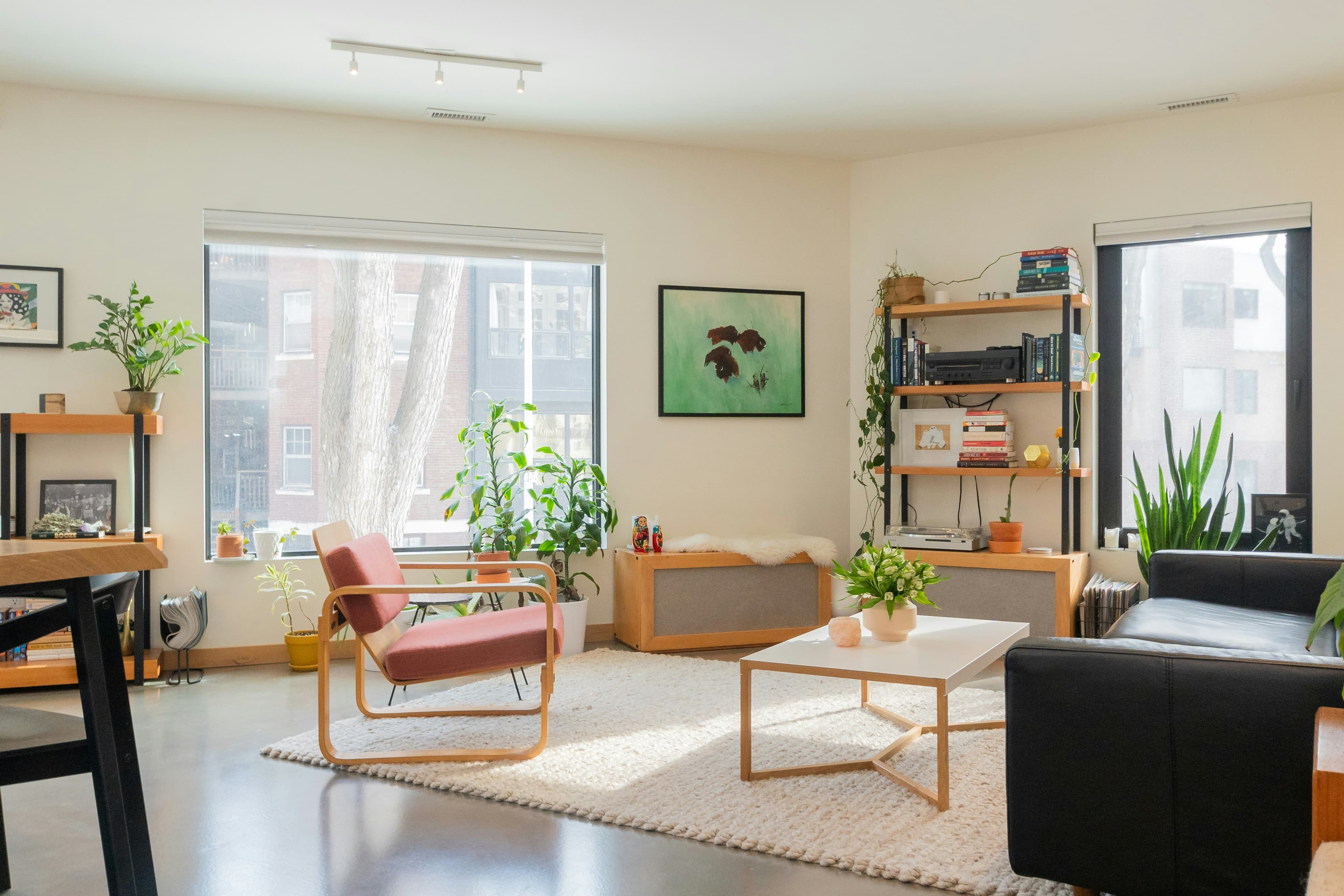
Modern life often feels overwhelming because of constant distractions, unnecessary purchases, and cluttered living spaces. Minimalist living offers a refreshing alternative by encouraging simplicity, functionality, and intentional design. A minimalist home does not mean empty white rooms with no personality. Instead, it focuses on keeping only meaningful and useful items while creating a peaceful and organized environment.
Minimalism can improve mental clarity, reduce stress, save money, and make everyday life easier. Whether you are starting your minimalist journey or simply looking for practical decluttering tips, this guide will help you transform your space into a calm and functional home.
What Is Minimalist Living?
Minimalist living is a lifestyle centered around simplicity and intentional choices. It encourages people to remove unnecessary clutter and focus on what truly adds value to their lives.
Minimalism is not about owning the fewest items possible. Instead, it is about creating balance and avoiding excess.
Core principles of minimalist living include:
- Owning fewer but higher-quality items
- Keeping spaces clean and organized
- Prioritizing functionality
- Reducing distractions
- Creating peaceful environments
- Living more intentionally
Minimalist homes often feel brighter, calmer, and easier to maintain.
Benefits of Minimalist Living
Minimalism offers both practical and emotional benefits.
Reduced Stress
Cluttered spaces often create mental overwhelm. Clean and organized rooms promote relaxation and peace of mind.
Easier Cleaning and Maintenance
Fewer items mean less dust, less mess, and faster cleaning routines.
Better Focus and Productivity
Minimalist environments reduce distractions and improve concentration.
More Financial Freedom
Minimalism encourages mindful shopping and reduces unnecessary spending.
Improved Home Aesthetics
Simple and organized spaces often look more elegant and timeless.
How to Declutter Your Home
Decluttering is the foundation of minimalist living. The process can feel overwhelming at first, but breaking it into smaller steps makes it manageable.
Start Small
Begin with one:
- Drawer
- Shelf
- Closet
- Desk
- Bathroom cabinet
Small victories build motivation.
Use the Keep, Donate, Discard Method
Separate items into categories:
- Keep
- Donate
- Sell
- Throw away
If you have not used an item in a long time, it may no longer serve a purpose.
Remove Duplicate Items
Many homes contain unnecessary duplicates such as:
- Extra kitchen tools
- Unused decorations
- Multiple storage containers
- Old clothing
Keeping only essentials creates more space instantly.
Declutter by Category
Focus on one category at a time:
- Clothing
- Books
- Kitchen items
- Makeup
- Office supplies
- Decorations
This approach prevents burnout.
Decluttering Tips for Beginners
Starting a minimalist lifestyle can feel intimidating, especially for beginners.
Follow the One-Year Rule
If you have not used something in the last year, consider removing it.
Avoid Emotional Clutter
Many people keep items out of guilt or nostalgia. Keep meaningful items, but avoid holding onto everything.
Declutter Regularly
Minimalism is an ongoing process rather than a one-time project.
Create Daily Habits
Simple habits maintain organization:
- Put items back immediately
- Clean surfaces daily
- Avoid impulse shopping
- Donate unused items regularly
Consistency keeps clutter under control.
Minimalist Home Ideas
A minimalist home should feel comfortable, functional, and visually calming.
Choose Neutral Color Palettes
Neutral tones create a peaceful atmosphere.
Popular minimalist colors:
- White
- Beige
- Cream
- Gray
- Soft brown
- Natural wood tones
These colors also make spaces appear larger and brighter.
Prioritize Natural Light
Natural lighting enhances minimalist interiors and creates warmth.
Use:
- Sheer curtains
- Large mirrors
- Light wall colors
Bright spaces feel more open and inviting.
Keep Decorations Simple
Minimalist decor focuses on quality instead of quantity.
Examples:
- One statement artwork
- Small indoor plants
- Ceramic vases
-
Simple candles
- Textured fabrics
Avoid overcrowding shelves and walls.
Minimalist Apartment Decor Ideas
Small apartments benefit greatly from minimalist design because clutter quickly makes compact spaces feel cramped.
Use Multifunctional Furniture
Furniture with hidden storage helps maximize small spaces.
Examples:
- Storage ottomans
- Foldable desks
- Beds with drawers
- Expandable dining tables
Maximize Vertical Space
Floating shelves and wall storage create organization without using floor space.
Keep Furniture Proportional
Oversized furniture can overwhelm small apartments.
Choose:
- Slim furniture
- Open-leg designs
- Compact sofas
- Minimalist shelving units
Minimalist Organization Hacks
Organization is essential for maintaining a minimalist home.
Use Storage Baskets
Storage baskets keep everyday items organized while maintaining clean aesthetics.
Great for:
- Blankets
- Toys
- Bathroom products
- Office supplies
- Laundry
Invest in Closet Organizers
Closet systems help reduce clothing clutter.
Useful organizers include:
- Drawer dividers
- Hanging organizers
- Shoe racks
- Slim hangers
Label Storage Containers
Labels improve organization and make items easier to find.
Use Hidden Storage
Hidden storage maintains clean visual spaces.
Examples:
- Under-bed storage
- Storage benches
- Hidden cabinets
Best Minimalist Furniture Ideas
Minimalist furniture focuses on simplicity, functionality, and timeless design.
Choose Clean Lines
Furniture with simple shapes creates a modern and uncluttered appearance.
Focus on Quality Over Quantity
Investing in durable furniture reduces unnecessary replacements.
Use Neutral Materials
Popular minimalist materials:
- Wood
- Linen
- Metal
- Glass
- Cotton
Natural textures add warmth to minimalist interiors.
Best Floating Shelves for Minimalist Homes
Floating shelves are one of the most popular minimalist storage solutions.
Benefits:
- Save floor space
- Improve organization
- Create clean aesthetics
- Display decor without clutter
Use floating shelves for:
- Books
- Plants
- Kitchen storage
- Office organization
- Decorative pieces
Avoid overcrowding shelves to maintain a minimalist look.
Best Neutral Home Decor Ideas
Neutral decor creates a timeless and calming atmosphere.
Popular neutral decor elements include:
- Beige cushions
- Linen curtains
- Wooden trays
- Soft textured rugs
- Ceramic vases
- Neutral bedding
Layering different textures prevents neutral spaces from feeling boring.
Simple Living Ideas for Everyday Life
Minimalism is not limited to home decor. It also influences daily habits and routines.
Buy Less, Choose Better
Focus on purchasing fewer but higher-quality products.
Reduce Digital Clutter
Organize:
- Emails
- Files
- Photos
- Apps
Digital organization improves mental clarity.
Create Intentional Routines
Simple routines reduce stress and improve productivity.
Practice Mindful Consumption
Avoid impulse purchases and focus on long-term value.
Minimalist Bedroom Ideas
Bedrooms should feel relaxing and peaceful.
Keep Surfaces Clear
Limit bedside items to essentials.
Use Soft Neutral Bedding
Neutral bedding creates a cozy and elegant atmosphere.
Reduce Furniture
Keep only necessary furniture pieces.
Add Warm Lighting
Soft lighting creates a calm nighttime environment.
Minimalist Kitchen Organization Ideas
A minimalist kitchen improves functionality and cooking efficiency.
Declutter Countertops
Keep only daily essentials visible.
Use Matching Storage Containers
Uniform containers create clean visual organization.
Organize Cabinets Efficiently
Use:
- Shelf risers
- Drawer organizers
- Pull-out storage
Common Minimalist Living Mistakes
Decluttering Too Fast
Removing everything quickly can feel overwhelming and impractical.
Buying More “Minimalist” Products
Minimalism is about reducing excess, not replacing everything.
Ignoring Functionality
A home should remain comfortable and practical.
Creating Cold or Empty Spaces
Minimalist homes should still feel warm and inviting.
Conclusion
Minimalist living creates a home environment that feels calm, organized, and intentional. By removing unnecessary clutter and focusing on simplicity, you can improve both your living space and overall lifestyle.Minimalism does not require perfection or extreme rules. Small changes like decluttering one room, organizing storage, or choosing more intentional decor can make a major difference.A minimalist home is ultimately about creating a space that supports peace, functionality, and everyday comfort.
Frequently Asked Questions
Minimalist living is a lifestyle focused on simplicity, organization, and keeping only meaningful or useful items.
Start small by decluttering one drawer, shelf, or category at a time using keep, donate, and discard methods.
Neutral tones like white, beige, cream, gray, and natural wood colors are commonly used in minimalist interiors.
No. Minimalism often saves money because it encourages mindful shopping and reduces unnecessary purchases.
Use multifunctional furniture, neutral colors, vertical storage, and avoid overcrowding the space.
Simple furniture with clean lines, neutral colors, and functional designs works best in minimalist interiors.