
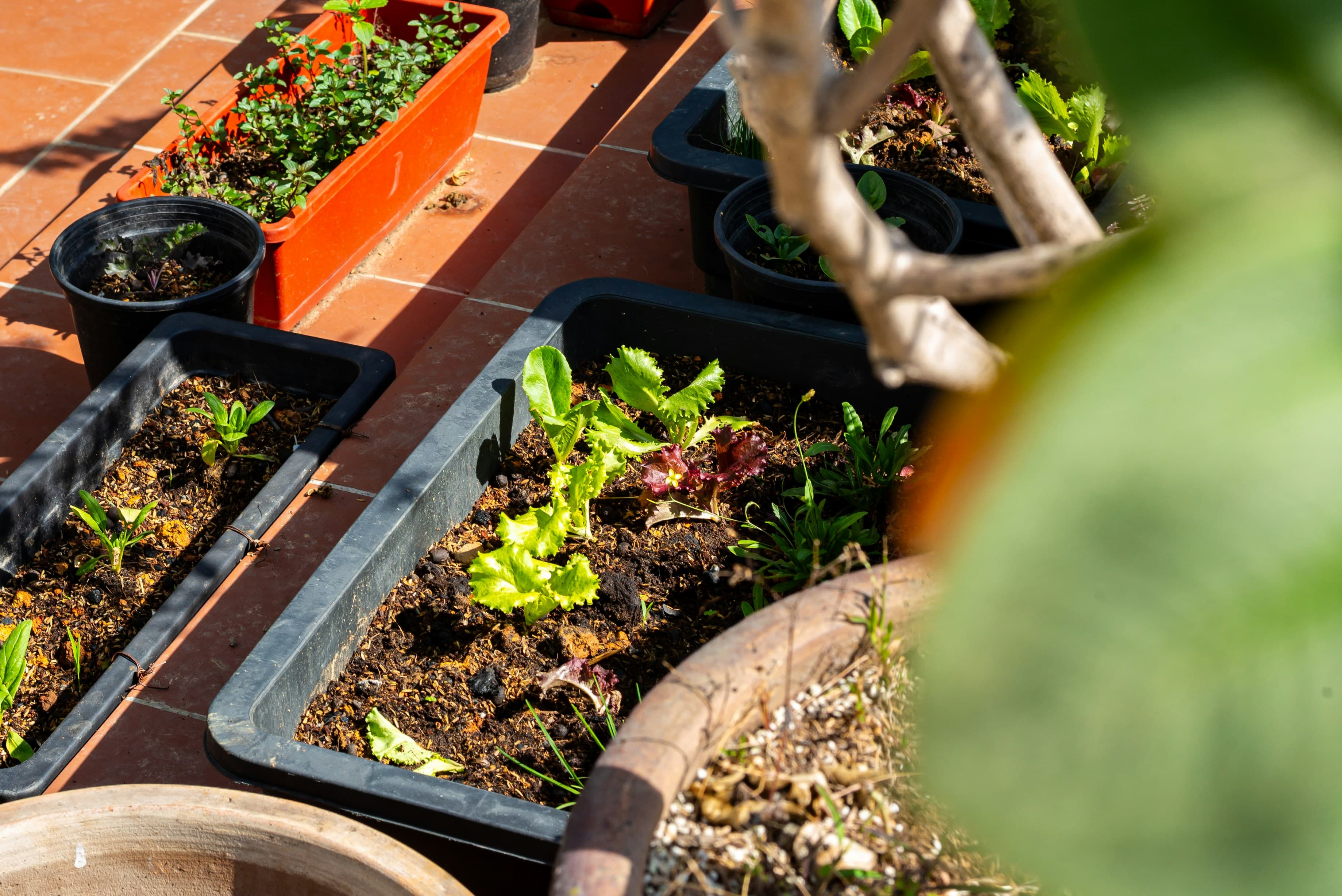
Growing vegetables at home has become one of the most practical, cost-effective, and healthy lifestyle choices in today’s world. With rising food prices, increasing health concerns, and the need for chemical-free food, home gardening is no longer just a hobby it is a necessity for many families. The good thing is that you don’t need a large garden or expert-level skills to start. Even a small balcony, rooftop, or kitchen corner can be turned into a productive green space with the right smart gardening techniques.
Smart gardening is about using simple, efficient, and modern methods to grow more food in less space with less effort. This guide will help you understand everything step by step from soil preparation to watering, pest control, and advanced techniques for maximum yield.
Understanding Smart Gardening for Home Vegetables
Smart gardening is a modern approach that focuses on efficiency, sustainability, and productivity. Instead of traditional gardening methods that require large land and heavy maintenance, smart gardening uses optimized techniques.
The core idea is simple:
- Use limited space efficiently
- Reduce water and fertilizer waste
- Grow healthier plants with organic methods
- Increase yield in small areas
Even beginners can achieve great results if they follow the right process.
Choosing the Right Space for Your Garden
One of the most important steps in home gardening is selecting the right location. Plants need proper sunlight, airflow, and space to grow.
Balcony Gardening Setup
If you live in an apartment, your balcony can become a mini vegetable farm. Most vegetables require at least 4–6 hours of sunlight daily. South-facing balconies usually get the best sunlight.
You can place:
- Pots along railings
- Hanging baskets
- Vertical shelves
Rooftop Gardening Setup
If you have access to a rooftop, you can grow a larger variety of vegetables. Rooftops are ideal for:
- Tomatoes
- Okra
- Cucumbers
- Eggplants
Indoor Gardening Option
If outdoor space is limited, some vegetables can grow indoors near windows:
- Coriander
- Mint
- Spinach
- Green onions
Best Vegetables for Beginners
Starting with easy-to-grow vegetables increases success rate and motivation.
Fast-Growing Vegetables
These grow quickly and require less care:
- Spinach
- Lettuce
- Radish
- Green onions
Medium Effort Vegetables
These require moderate care:
- Tomatoes
- Chilies
- Cucumbers
Herbs for Daily Use
Herbs are perfect for small spaces:
- Coriander
- Mint
- Basil
Smart Soil Preparation Techniques
Soil is the foundation of your garden. Healthy soil = healthy vegetables.
Ideal Soil Mix for Home Gardening
A perfect mix includes:
- 40% garden soil
- 30% organic compost
- 30% coco peat or sand
This combination ensures:
- Proper drainage
- Nutrient supply
- Moisture balance
Importance of Organic Compost
Organic compost improves soil fertility naturally. You can make compost from:
- Vegetable peels
- Fruit waste
- Dry leaves
- Tea waste
Compost enriches soil with nutrients and improves plant growth.
Soil Aeration Tips
Soil should not be too compact. Loose soil allows roots to grow easily and absorb nutrients better.
Container Gardening for Small Spaces
Container gardening is the backbone of urban gardening.
Choosing Containers
You can use:
- Plastic pots
- Clay pots
- Grow bags
- Recycled buckets
Make sure each container has drainage holes.
Size of Containers
Different plants need different pot sizes:
- Leafy greens: small pots
- Tomatoes: medium pots
- Cucumbers: large pots
Vertical Gardening System
Vertical gardening helps maximize space:
- Wall planters
- Hanging pots
- Ladder shelves
This method is perfect for small apartments.
Watering Techniques for Healthy Growth
Watering is a critical part of gardening. Too much or too little water can damage plants.
How Often to Water
- Summer: daily or alternate day
- Winter: 2–3 times per week
Always check soil moisture before watering.
Best Time to Water Plants
- Early morning is best
- Evening is second option
Avoid watering in harsh sunlight.
Smart Water Saving Methods
- Drip irrigation using bottles
- Self-watering pots
- Mulching to reduce evaporation
Organic Fertilization Methods
Plants need nutrients to grow strong and produce vegetables.
Homemade Fertilizers
You can prepare natural fertilizers:
- Banana peel water (potassium)
- Eggshell powder (calcium)
- Rice water (growth booster)
- Compost tea
Fertilizing Schedule
- Leafy vegetables: every 10–15 days
- Fruiting vegetables: every 20–25 days
Avoid Over Fertilization
Too much fertilizer can burn plant roots and reduce yield.
Natural Pest Control Techniques
Pests are a common issue but can be controlled naturally.
Organic Pest Sprays
- Neem oil spray
- Garlic water spray
- Soap water spray
These are safe for plants and humans.
Companion Planting Method
Some plants protect each other:
- Basil with tomatoes
- Marigold with vegetables
- Mint with leafy greens
This reduces pests naturally.
Smart Plant Care and Maintenance
Proper care ensures continuous production.
Pruning Techniques
Remove:
- Dead leaves
- Weak branches
- Overgrown stems
This improves plant energy distribution.
Mulching Benefits
Mulching means covering soil with:
- Dry leaves
- Straw
- Grass clippings
Benefits include:
- Moisture retention
- Weed control
- Temperature stability
Seasonal Gardening Strategy
Planting according to season increases success rate.
Summer Crops
- Tomatoes
- Cucumbers
- Okra
Winter Crops
- Spinach
- Carrots
- Cauliflower
Monsoon Crops
- Bitter gourd
- Pumpkin
- Beans
Smart Gardening Tools for Better Results
Using the right tools makes gardening easier.
Basic Tools
- Hand trowel
- Watering can
- Pruning scissors
- Gloves
Advanced Tools
- Soil moisture sensor
- Automatic drip system
- Plant monitoring apps
These tools help track plant health efficiently.
Common Gardening Mistakes to Avoid
Even small mistakes can affect your garden.
Overwatering
Leads to root rot and plant death.
Lack of Sunlight
Plants need sunlight for photosynthesis.
Ignoring Soil Health
Poor soil leads to weak plants.
Overcrowding Plants
Reduces airflow and increases disease risk.
Benefits of Home Vegetable Gardening
Smart gardening offers many benefits:
- Fresh and chemical-free vegetables
- Saves money
- Improves mental health
- Reduces stress
- Supports eco-friendly living
- Encourages physical activity
Advanced Smart Gardening Tips
If you want to take your garden to the next level, follow these advanced tips.
Use Smart Irrigation Systems
Automated drip systems save time and water.
Monitor Plant Health Digitally
Apps can track moisture, temperature, and growth.
Use Hybrid Seeds
Hybrid seeds give higher yield and disease resistance.
Conclusion
Smart gardening is not about having a big space or expensive tools. It is about using the right techniques consistently. Even beginners can grow fresh vegetables at home if they follow proper soil preparation, watering methods, pest control, and seasonal planting strategies.Start small, stay consistent, and gradually expand your garden. Over time, your home can become a source of fresh, organic, and healthy vegetables for your entire family.
Frequently Asked Questions
Spinach, coriander, and green onions are the easiest for beginners.
Yes, balcony and container gardening work perfectly in small spaces.
Most vegetables need 4–6 hours of sunlight daily.
Organic compost, banana peel water, and compost tea are best.
Use neem oil spray, garlic spray, and companion planting.